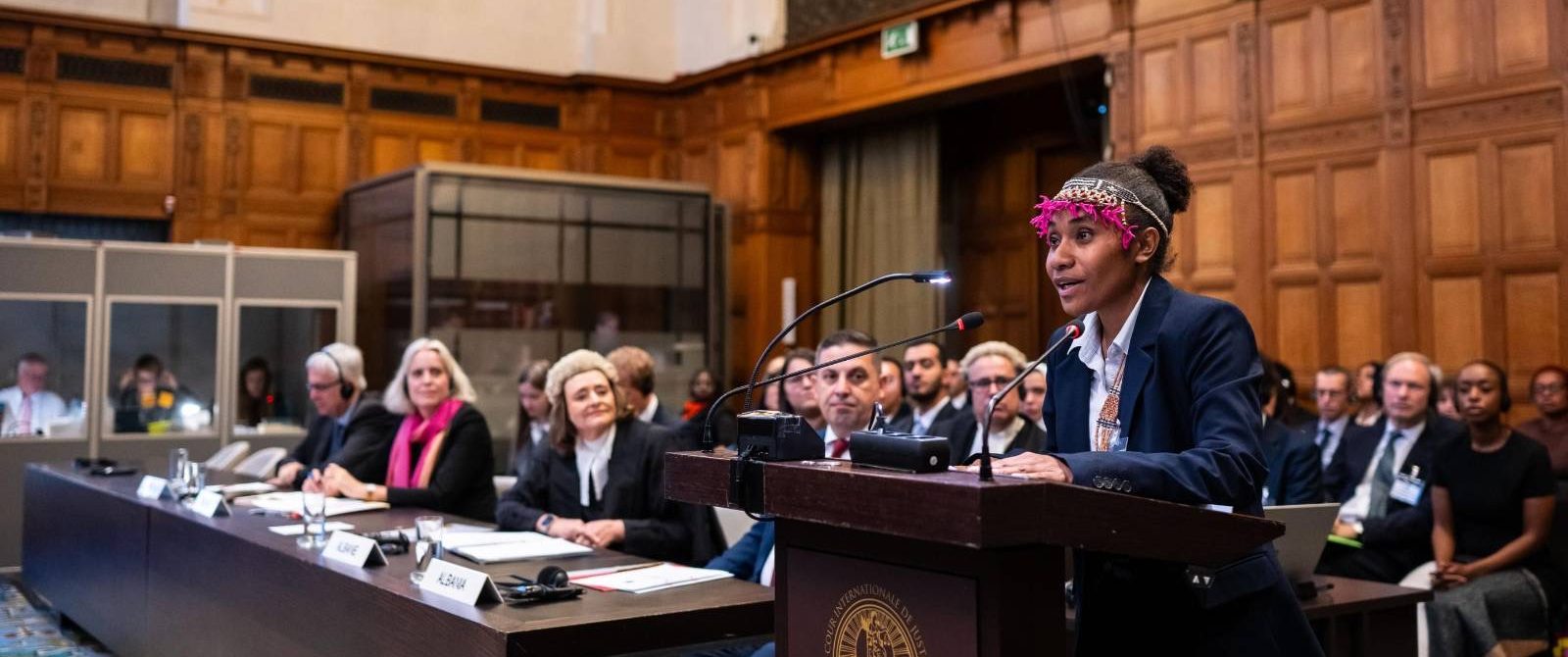
Peace Palace, The Hague.
Credit: Pacific Island Students Fighting Climate Change

In just ten years, climate litigation has evolved from a handful of complaints before domestic courts to a global accountability system recognised by the highest international courts and tribunals.
2025 marks a decade since the Urgenda case — the first time a court, anywhere in the world, ordered a government to take stronger climate action. That single judgment reshaped the global debate, showing that when politics stalls, courts can step in — sparking a decade of litigation that has built a new legal architecture for climate protection.
The report shows how a surge in climate lawsuits is forcing governments to set clear rules for national climate action. Governments now have legal duties to keep people safe, pull their weight to limit global temperature rise to less than 1.5°C, protect future generations, and show that their actions match their promises.
These legal foundations are now empowering communities to challenge the world’s biggest corporate polluters. Courts have established legal precedents to recognise companies’ duties to cut emissions to prevent public harm, to enforce limits on government support for fossil fuel production and to hold big polluters accountable for climate damages.
Drawing on their own words, we also explore what motivated communities to turn to the law. Landmark rulings over the past ten years have driven policy and legislative change, inspired public mobilisation, shaped public opinion, and created financial risk for high-emitting corporations.
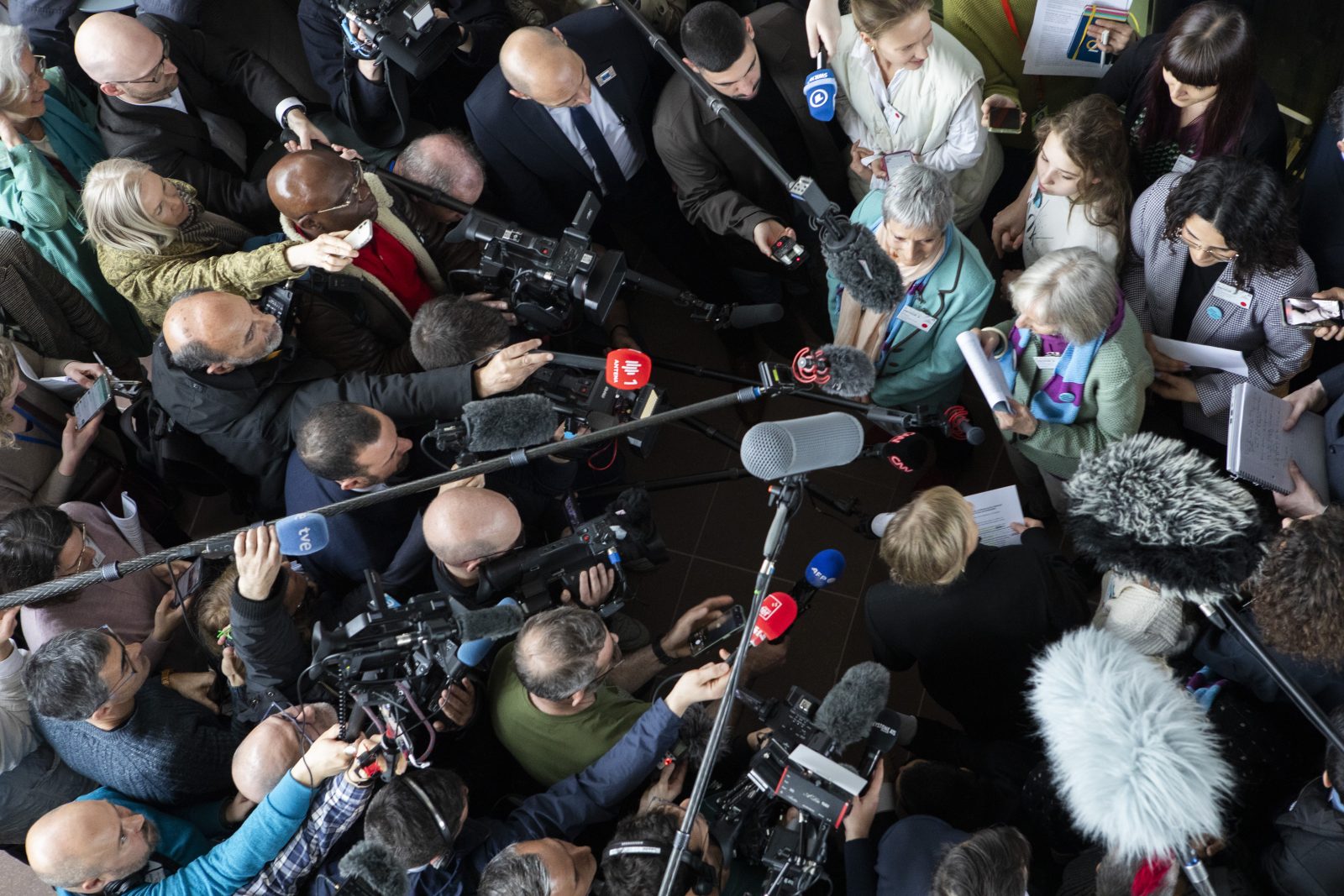
“We didn’t just wake up one morning and decide to take the Swiss Government to court. We were inspired by what Urgenda had done in the Netherlands and came together out of a shared sense of urgency to protect our planet and the rights of future generations.”
– Elisabeth Stern, a plaintiff in Verein KlimaSeniorinnen Schweiz and Others v Switzerland.